Kene Bari
A regenerative permaculture and agroforestry initiative in the Peruvian Amazon.
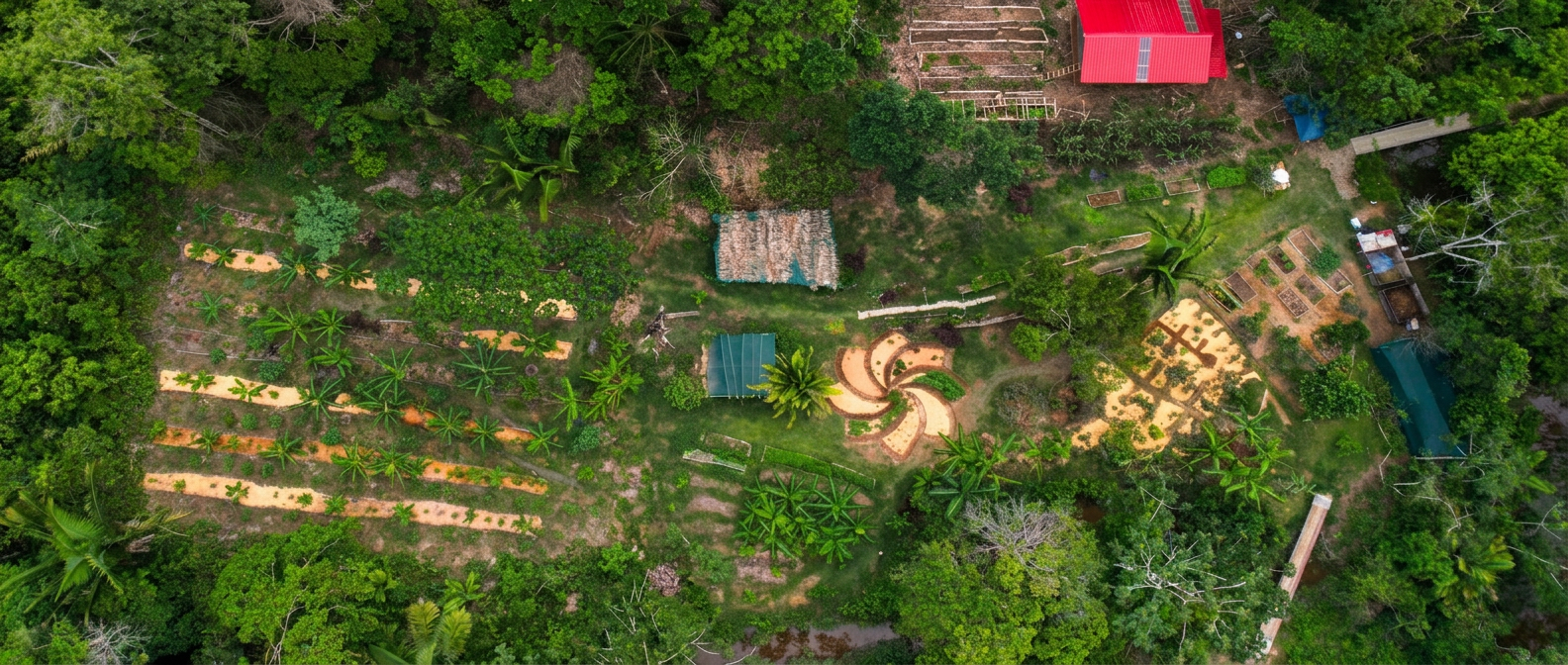
To live in harmony with Mother Nature and contribute to the regeneration of the Amazon rainforest for future generations.
To create regenerative systems that restore soil, increase biodiversity, support food sovereignty, and integrate indigenous wisdom with modern ecological design.
A Living Refuge
Kene Bari protects approximately 30 hectares of Amazon rainforest that serve as a refuge for countless species of plants, insects, birds, amphibians, and mammals.
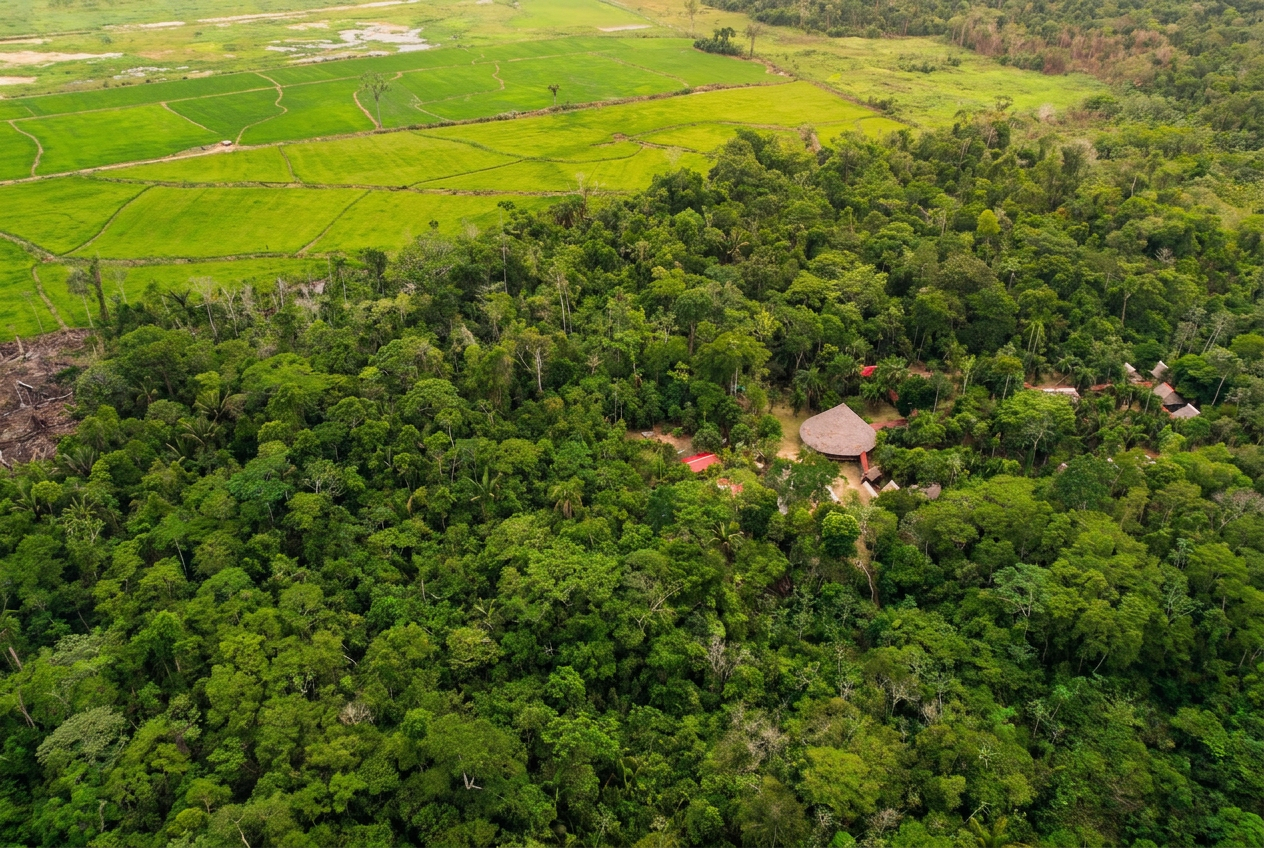
The aerial image reveals a powerful contrast: while surrounding landscapes have largely been converted into agricultural monocultures, Kene Bari remains a thriving island of biodiversity.
By protecting and regenerating this forest, we help preserve ecological resilience, traditional knowledge, medicinal species, wildlife habitat, and the natural processes that sustain life.
Kene Bari demonstrates that conservation and regeneration can work hand in hand — creating abundance for both people and the living world.
Practices of regeneration
Agroforestry
Designing diverse, multi-layered systems where trees, crops, and people thrive together.
Soil Regeneration
Rebuilding living soil through compost, mulch, and biological cycles.
Compost Systems
Closing the nutrient loop and turning waste into fertility.
Work Exchange
Hosting volunteers who learn by working alongside the land and community.
Reforestation
Planting native species to restore canopy, habitat, and watershed function.
Food Forests
Cultivating edible ecosystems that feed people while regenerating the land.
Educational Programs
Sharing regenerative knowledge with students, neighbors, and visitors.
Regeneration in Numbers
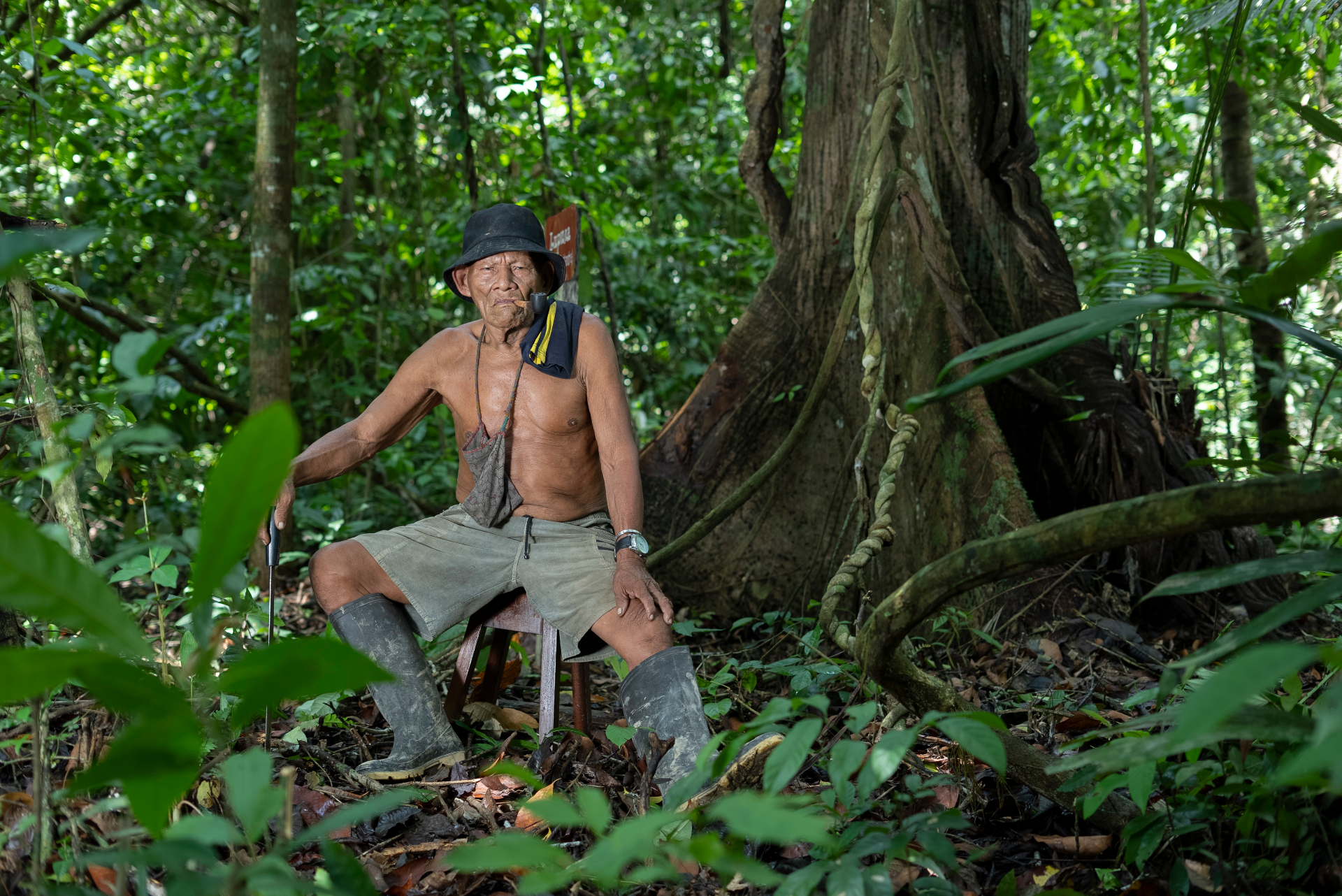
In Memory of Papa Horacio
Kene Bari is named in honor of Papa Horacio, a respected Shipibo elder whose life embodied a profound relationship with nature, community, and ancestral wisdom.
Through his friendship, guidance, and example, the roots of this project were planted. He helped open a path of learning and connection that continues to inspire the work carried out today.
Kene Bari is not only a place. It is a living expression of the values he represented: respect for life, reciprocity with nature, cultural continuity, and service to future generations.
His legacy continues through the land, the community, and the regenerative work that bears his name.
A Living Landscape
Kene Bari demonstrates how rainforest protection, regenerative agriculture, biodiversity conservation, and community stewardship can work together.
- 01
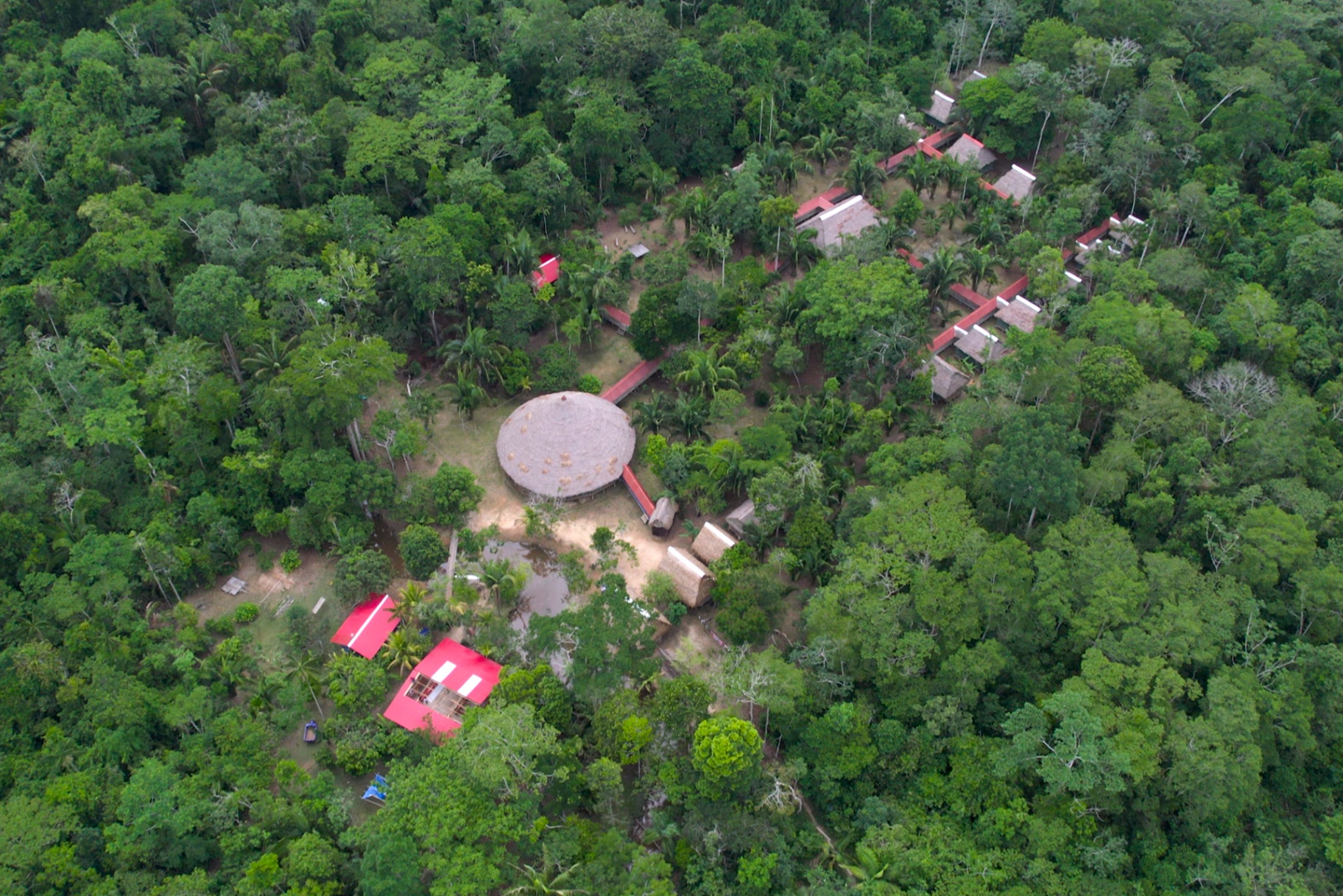
Protected Rainforest
Thirty hectares of standing Amazon forest, safeguarded as a refuge for native species and ecological processes.
- 02
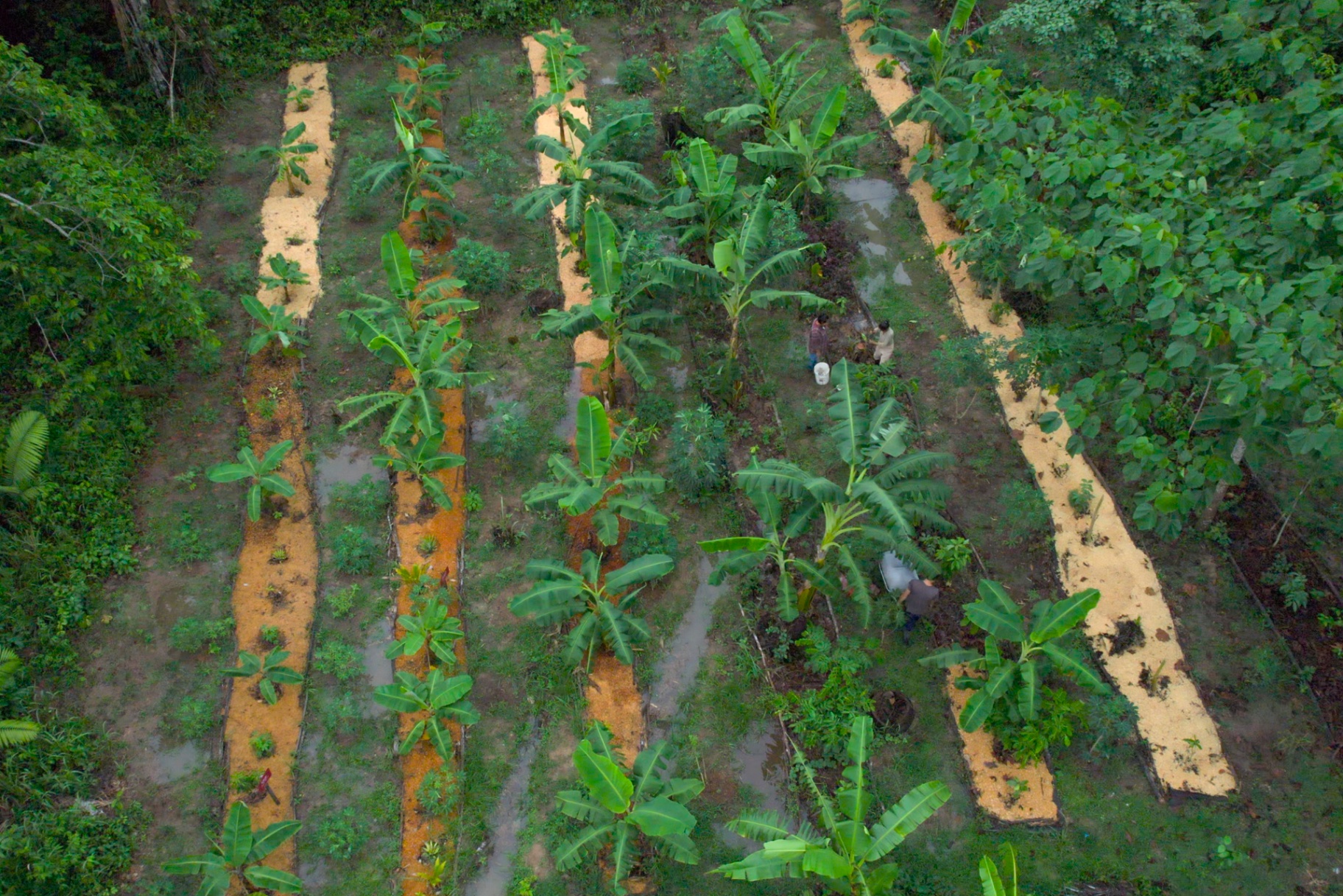
Regenerative Agriculture
Diverse planting beds that rebuild soil, retain water, and produce food in harmony with the forest.
- 03
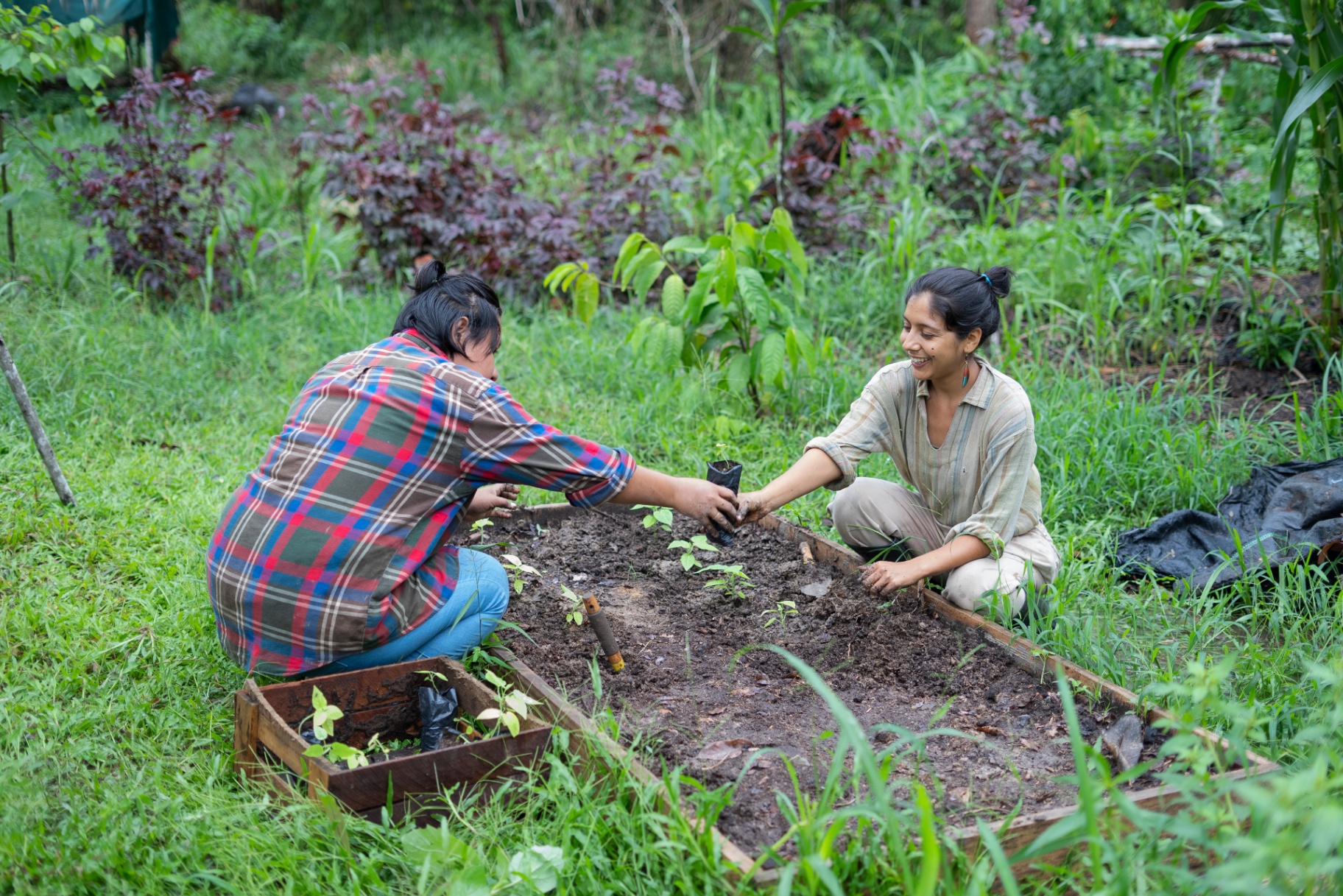
Community Stewardship
Rudy and Montserrat planting young trees and medicinal plants, helping regenerate the land while strengthening the relationship between people, community, and nature.
- 04
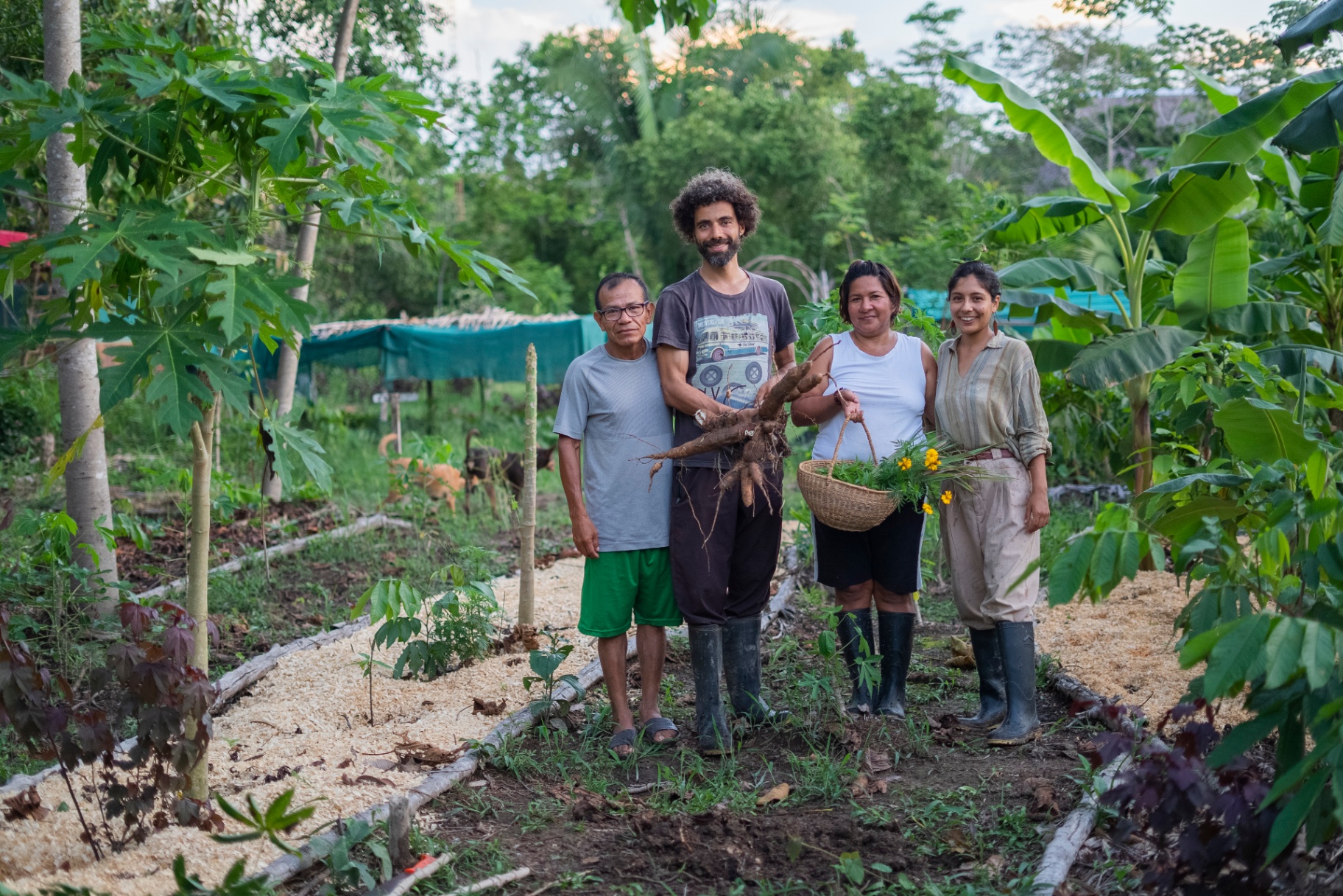
Food Sovereignty
Julio (Shipibo name: Rey Manu), Aum, Rudy, and Montserrat harvesting food from the gardens. Diverse crops provide healthy local nourishment while demonstrating practical models of regenerative agriculture.
- 05
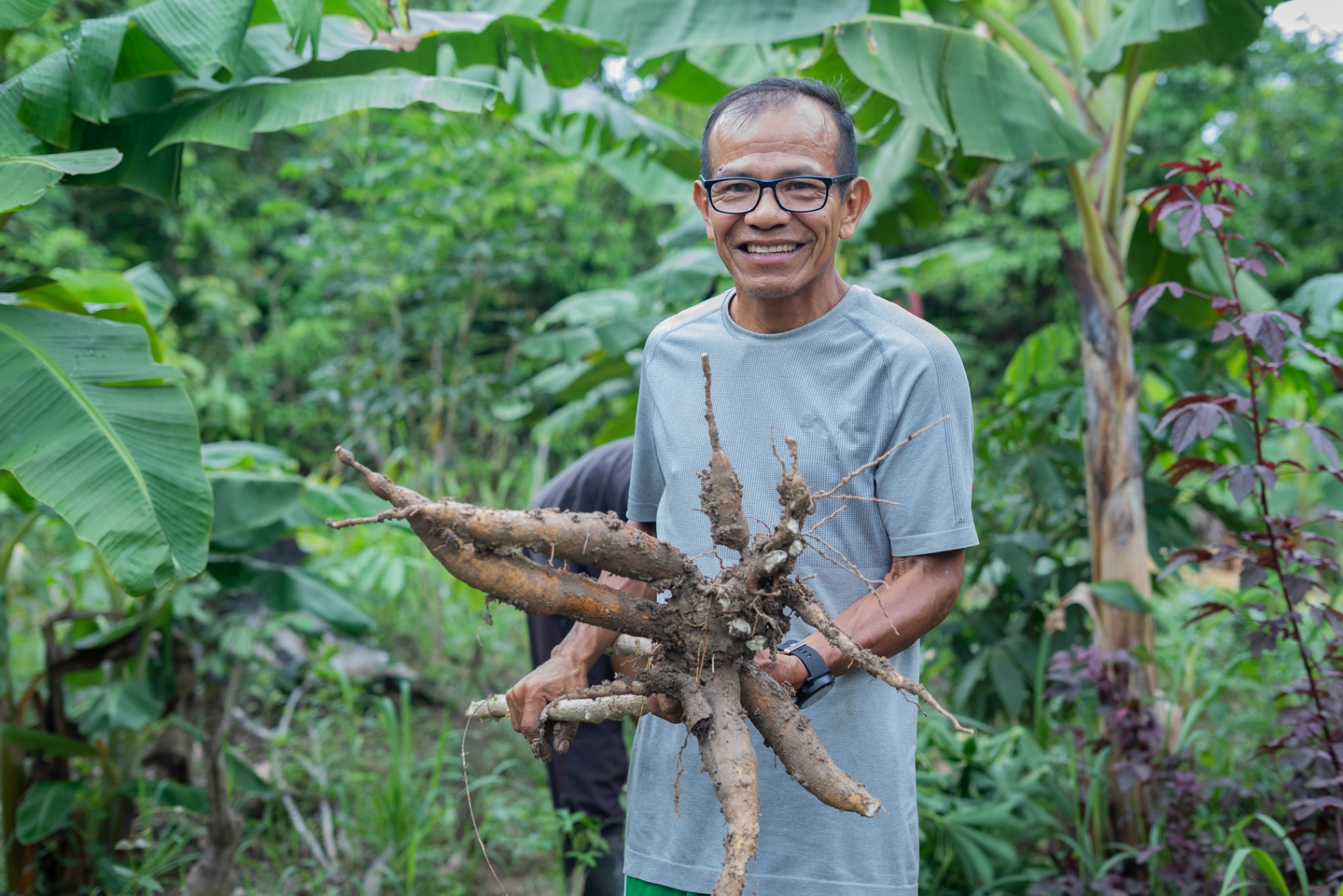
Teacher Trees & Medicinal Plants
Julio (Rey Manu), one of the key stewards of Kene Bari, harvesting yuca from the food forest. Together with more than 400 teacher trees and countless medicinal species, these living systems preserve ecological knowledge while supporting long-term regeneration.
Regeneration is carried forward through people as much as through plants.
- 06
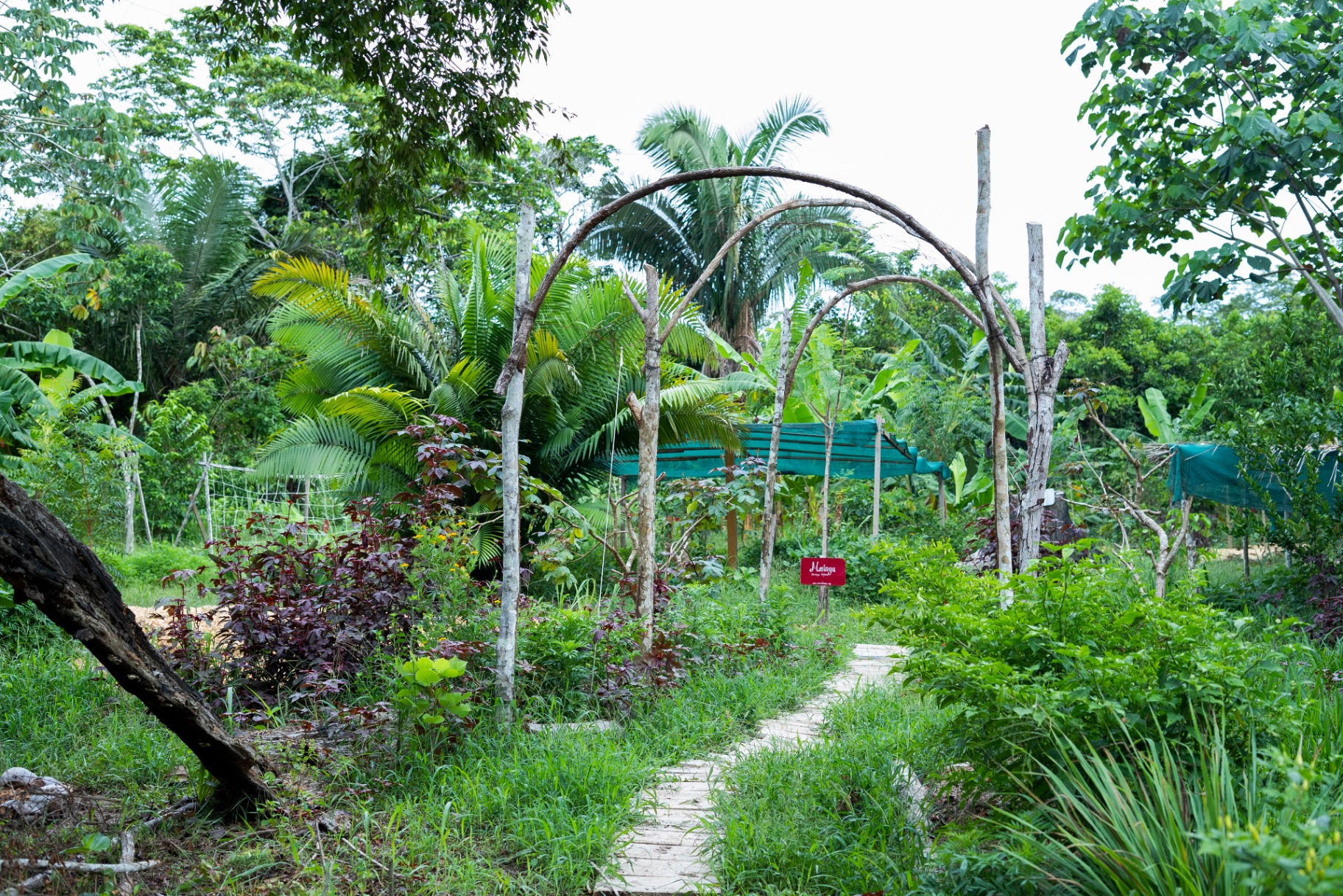
Living Permaculture Systems
Pathways, food forests and water systems designed so the land becomes more abundant over time.
A future where life can flourish in abundance
Kene Bari is more than a project.
It is a living demonstration that regeneration is possible.
By protecting forest, restoring biodiversity, honoring indigenous knowledge, and reconnecting people with nature, we hope to contribute to a future where life can flourish in abundance.